
Why September Can Be a Great Time to Buy a Boat in the Northeast & Chesapeake
As summer winds down, seasonal changes can create opportunities for prepared boat buyers in the Northeast and Chesapeake Bay.
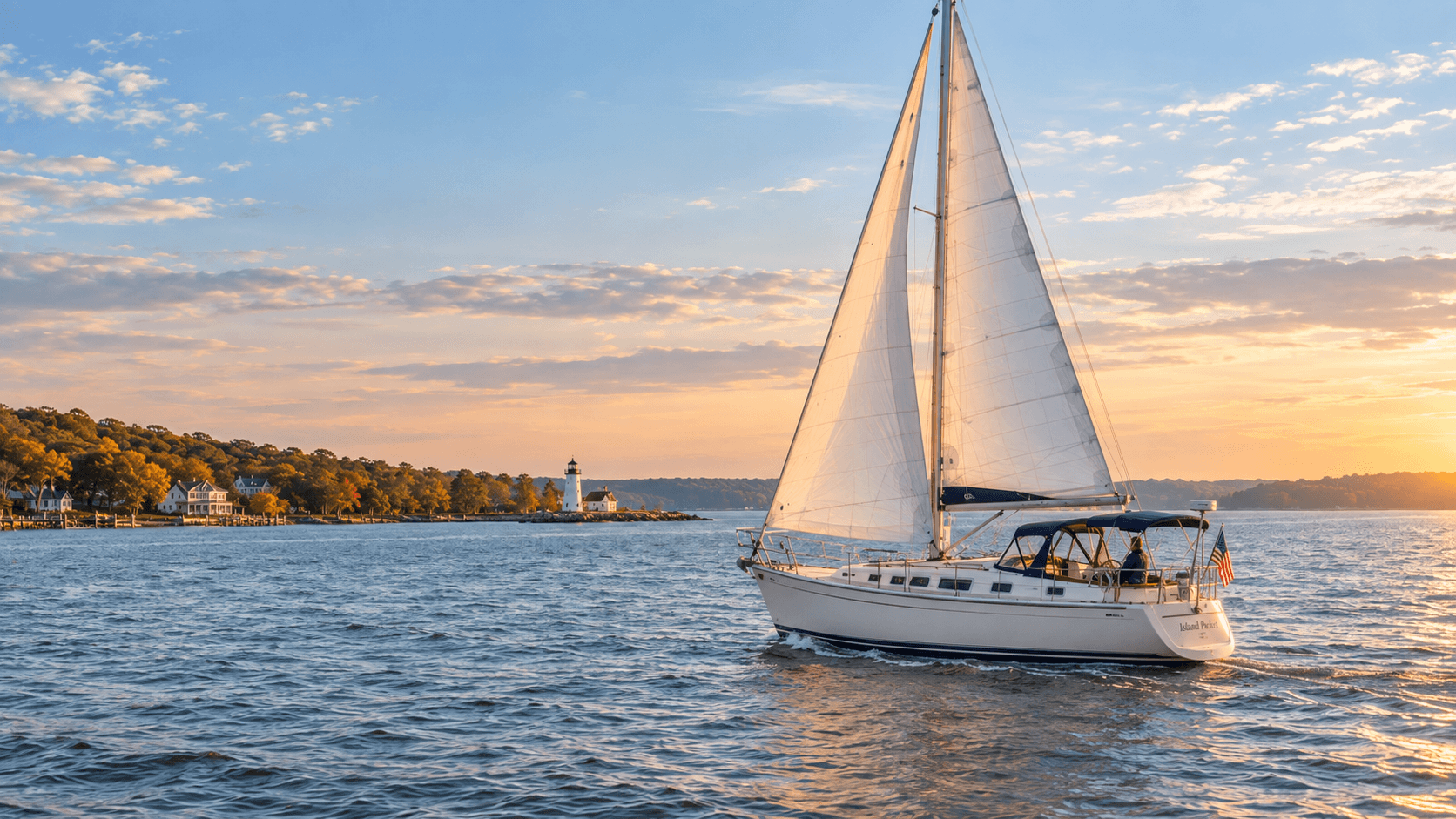
September has a way of changing the rhythm of boating in the Northeast and Chesapeake Bay.
The days start getting shorter. Temperatures begin to cool. The marina feels a little quieter. And boat owners who spent the summer enjoying their boats start thinking about something very different: haul-out, storage, maintenance, and winterization.
For boat buyers, that seasonal shift can be worth paying attention to.
That doesn't mean every boat becomes a bargain in September. A well-maintained boat that is correctly priced can still attract plenty of interest. But as owners decide whether they want to carry their boat through another winter, some may become more motivated to sell.
For buyers who know what they want and are prepared to move, that can create an interesting window in the used-boat market.
The Northeast boating season is winding down
For much of the Northeast, September marks the beginning of the transition from peak summer boating to the fall season.
That transition doesn't mean boating stops. In fact, September can be one of the most enjoyable times of year on the water. But shorter days, cooler temperatures, changing weather, and the approach of colder months all begin to influence how owners think about their boats.
Eventually, the question becomes: What happens to the boat when the season is over?
For a sailboat or trawler kept in the Northeast, the answer may involve hauling the boat, arranging a storage location, completing seasonal maintenance, winterizing systems, and getting everything ready for months of colder weather.
That calendar matters when you're shopping for a used boat.
A seller who was perfectly happy to own a boat through another summer may feel differently in September when the next round of ownership responsibilities is approaching.
Winterization Can Change the Conversation
Owning a boat in a cold-weather climate doesn't stop when the boat comes out of the water.
Depending on the boat and how it is stored, preparing for the off-season can involve protecting engines and plumbing, dealing with fuel systems, maintaining batteries, removing or protecting sails and other equipment, covering the boat, and addressing annual maintenance.
Discover Boating's winterization guidance, for example, recommends attention to engines, fuel systems, freshwater plumbing, bilges, and other systems that can hold water before long-term storage.
For the owner, all of that takes time, planning, and money.
And that is one reason September can be an interesting time to have a conversation with a seller.
Someone who has been considering selling may decide that they would rather sell the boat now than prepare it for another winter, store it, maintain it, and revisit the decision next spring.
That's not true of every seller. But it is one of the seasonal dynamics that can create opportunities for buyers.
There May Be More Opportunity in the Marketplace
The used-boat market is large, and there is no single seasonal pattern that applies to every boat, every seller, or every region.
According to the National Marine Manufacturers Association (NMMA), pre-owned boats accounted for nearly 80% of U.S. boat unit sales in 2025, with 867,059 pre-owned boats sold at a total market value of $10.8 billion.
That makes the used market an important part of the overall boating landscape.
Within that market, individual boats can behave very differently.
You may see a boat that has just come on the market because the owner has decided it is time to move on. You may see an existing listing where the seller is becoming more open to negotiation. Or you may find a boat that hasn't changed in price at all—but whose seller is now more motivated to get a deal done before winter.
Those are very different situations.
The important thing is not to assume that "September equals discount."
Instead, look at the complete picture:
Is the asking price supported by comparable boats?
How long has the boat been on the market?
What is its maintenance history?
Are there recent upgrades?
Does the boat need work?
Where is it located?
How quickly does the seller want to close?
What will happen with storage and winterization if the boat doesn't sell?
Seller motivation can be just as important as the time of year.
Why September Can Work Well for Serious Buyers
There is another advantage to buying a boat in the fall: you can shop with a little more information.
A boat that has been actively used throughout the summer has had a chance to show how it performs in the real world.
That doesn't replace a professional survey or sea trial. It does, however, give buyers and brokers an opportunity to ask useful questions.
How has the boat been used?
What maintenance was completed during the season?
Did any systems give the owner trouble?
Are there projects the owner planned to address after the season?
What needs to happen before the boat goes into winter storage?
These conversations can help a buyer understand what they are actually purchasing—not just what the boat looks like in a listing.
For a cruising sailboat or trawler, that distinction matters.
A beautiful boat with an excellent maintenance history and thoughtful upgrades may be worth paying more for than a cheaper boat that needs significant work. The goal isn't simply to find the lowest asking price. It's to understand the value of the entire package.
Don't Overlook the Chesapeake Bay
The Chesapeake deserves a place of its own in this conversation.
The Bay has a long boating season, but fall still brings a noticeable shift in conditions and boat-owner routines. As temperatures fall and the season progresses, owners begin making decisions about storage, maintenance, and winter preparation.
Maryland's boating resources specifically address cold-water conditions and the additional considerations that come with boating as water temperatures decline.
The Chesapeake also has a substantial network of marinas, boatyards, and service businesses. By September, many of those businesses are already thinking about fall work and winter projects. A September 2025 report from Chesapeake Bay boating publication PropTalk, for example, documented local boatyards beginning to fill their fall and winter work schedules.
That seasonal activity can become part of the buying conversation.
If you're considering a boat in Maryland or Virginia, ask what the current owner's plans are for haul-out and winter storage. If you're buying the boat, find out what arrangements may be available to you and whether the timing of the transaction affects those plans.
And don't limit your search to one marina—or even one state.
A buyer looking for a cruising sailboat might find the right boat in Maryland, Virginia, New York, Connecticut, Rhode Island, Massachusetts, or Maine. Inventory and seller circumstances can vary considerably from one location to another.
That's one reason it can pay to search regionally rather than simply shopping the marina closest to home.
September Isn't Automatically the "Best" Time to Buy
It's worth making this distinction very clear.
There is no magic date on the calendar when boat prices suddenly drop.
A desirable boat that is properly priced may continue to attract buyers well into the fall. And a boat that is overpriced in September is still overpriced.
The opportunity may come from something else.
It could be a seller who is ready to move on. It could be a listing that has been sitting on the market and is becoming more negotiable. It could be a boat that fits your cruising plans unusually well. Or it could simply be that the right boat becomes available at the right moment.
Current industry data also shows why broad assumptions about the boat market can be misleading. NMMA reported that new boat retail sales softened in 2025, while pre-owned boats continued to represent the majority of annual unit sales.
The takeaway is simple: look at the individual boat and the individual transaction—not just the calendar.
How to Shop for a Boat This Fall
If you're thinking about buying a boat this September or later in the fall, preparation can make a big difference.
1. Know what you want to do with the boat
Start with your cruising plans.
Are you looking for coastal cruising? The Great Loop? Extended liveaboard cruising? Weekend trips? Offshore passagemaking?
Your intended use should guide the type, size, layout, systems, and equipment you consider.
2. Get your finances organized
Know your budget before you fall in love with a boat.
If you're financing, get the process started early. If you're paying cash, have proof of funds available so you're ready to move when the right opportunity appears.
3. Watch the market closely
Good boats can come and go quickly.
Monitor new listings and pay attention to boats that have been on the market for a while. Look at comparable boats so you have a realistic understanding of asking prices.
4. Be willing to travel
The right boat may not be in your backyard.
Expanding your search across the Northeast and Chesapeake can significantly increase the number of boats you can consider.
5. Ask about winter plans
If you're looking at a boat in September or October, ask:
"What happens to this boat if it doesn't sell before winter?"
The answer can tell you something about the seller's timeline and may also help you plan the transition if you purchase the boat.
6. Understand what you're actually buying
Ask about recent maintenance, upgrades, known issues, service records, equipment, and what is included in the sale.
A boat's asking price is only one part of the equation.
7. Don't skip due diligence
A fall purchase still deserves the same level of care as a spring purchase.
Depending on the boat and transaction, that may include a professional marine survey, mechanical inspection, sea trial, haul-out, title/documentation review, and other appropriate inspections.
The goal is to understand the boat's condition before you commit.
A Broker Can Help You Look Beyond Your Backyard
One of the biggest advantages of working with an experienced yacht broker is having someone who can help you look at the entire opportunity—not just one listing.
Adventure Yacht Sales works with buyers searching for cruising sailboats, trawlers, catamarans, and motor yachts, and its current listings include boats located in places such as Maryland, North Carolina, Florida, and other markets.
That broader perspective can be particularly useful in the fall.
A broker can help you identify boats that fit your goals and budget, compare asking prices, communicate with sellers and other brokers, coordinate showings, and help organize the survey and sea-trial process.
More importantly, a good broker can help you ask the right questions.
Is this boat priced appropriately?
What are the comparable boats?
What does the maintenance history tell us?
Is there something about this particular seller's timeline that matters?
Is it worth traveling to see?
Those are the questions that turn seasonal market activity into a real buying opportunity.
FAQ
Is September a good time to buy a boat?
September can be an interesting time to shop for a boat, particularly in seasonal markets like the Northeast and Chesapeake. Some sellers may be more motivated as they approach winter storage and maintenance. However, prices do not automatically drop in September, so buyers should evaluate each boat individually.
Are boats cheaper in the fall?
Not necessarily. Some boats may become more negotiable in the fall, but pricing depends on the individual boat, its condition, market value, location, length of time on the market, and seller motivation.
Is fall a good time to buy a sailboat?
Fall can be a good time to shop for a used sailboat because buyers may encounter changing inventory and sellers who are reassessing their plans before winter. A professional survey and sea trial are still important parts of the buying process.
What should I ask a seller about a boat in September?
Ask about the boat's maintenance history, upcoming winterization, storage plans, recent repairs and upgrades, known issues, and what equipment and personal property are included in the sale.
Should I only look for boats in my local area?
No. Expanding your search can open up more inventory and potentially introduce you to boats with different pricing and seller circumstances. This is especially useful when shopping for cruising sailboats and trawlers, where the right boat may be several hours—or states—away.
Do I still need a survey if I'm buying in the fall?
In most cases, buyers should maintain the same level of due diligence regardless of the season. Depending on the boat and transaction, that may include a professional marine survey, mechanical inspection, haul-out, and sea trial.
The Bottom Line: Shop September With a Plan
September isn't a guaranteed bargain season for boats.
What it can be is an interesting time to be a prepared buyer.
As the Northeast and Chesapeake boating seasons begin to wind down, owners are faced with decisions about haul-out, storage, maintenance, and winterization. For some sellers, that may create additional motivation to complete a sale before another off-season begins.
For buyers, that can mean new inventory, changing seller circumstances, or potentially more room for negotiation.
But the best opportunity isn't necessarily the boat with the biggest price reduction.
It's the boat that fits your plans, makes sense at its market value, has been properly maintained, and represents a purchase you can feel confident about after completing your due diligence.
If you've been thinking about buying a sailboat, trawler, or cruising yacht, fall may be worth putting on your shopping calendar.
Ready to Start Looking?
If you're considering buying a boat this fall, Adventure Yacht Sales can help you navigate the search—from identifying the right boats and markets to evaluating listings, coordinating showings, and working through the purchase process.
Ready to chart your next adventure? Contact Adventure Yacht Sales and let's start looking for the right boat.